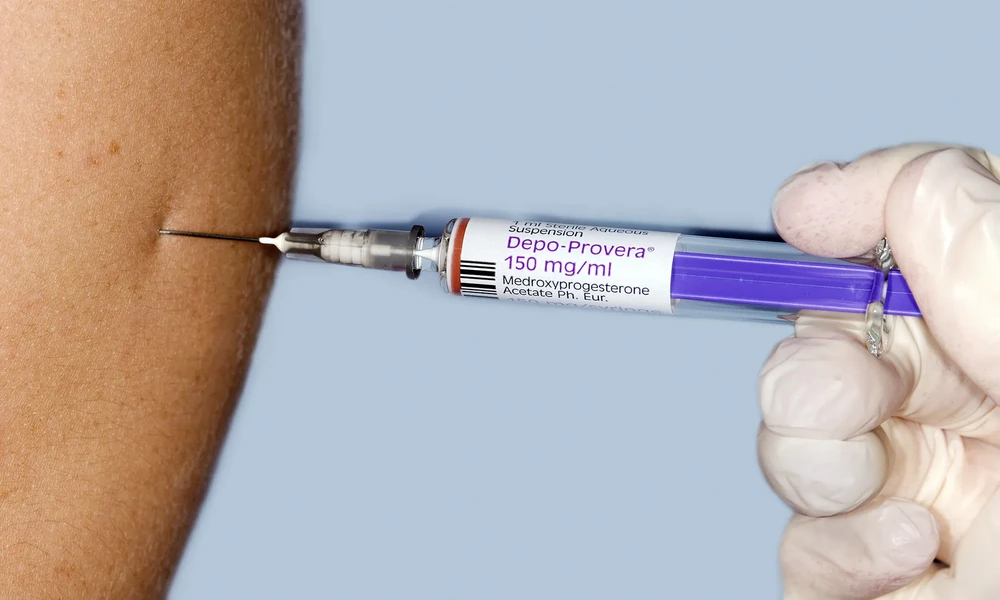

Weight management is often presented as a simple formula: eat less, move more, and stay disciplined. In reality, body weight can be influenced by many factors that are not fully controlled by willpower alone.
Appetite regulation, sleep, stress, hormones, genetics, insulin resistance, certain medicines, underlying health conditions, and previous weight-loss attempts can all affect how easily someone loses weight and keeps it off.
For some people, changes in food choices and physical activity are enough to produce meaningful progress. For others, those changes may help but still not lead to sustainable results. In these situations, a structured medical weight loss program may be worth discussing.
Medical weight management does not mean skipping healthy habits. Instead, it combines lifestyle changes with appropriate healthcare support and, for selected patients, prescription treatment.
Why Can Weight Loss Be Difficult Even With Effort?
Weight regulation involves several systems in the body.
Hunger and fullness are influenced by hormones and signals between the digestive system and brain. Sleep deprivation can affect appetite. Some medicines can contribute to weight gain. Conditions such as diabetes, polycystic ovary syndrome, and metabolic disorders can also make weight management more complicated.
The U.S. National Institute of Diabetes and Digestive and Kidney Diseases notes that overweight and obesity are commonly managed through lifestyle changes, but additional treatment such as prescription medication or bariatric surgery may sometimes be appropriate.
This helps explain why two people following similar eating or activity plans may experience very different results.
What Does Medical Weight Management Mean?
Medical weight management is a structured approach to excess weight that considers overall health rather than focusing only on the number on a scale.
It may involve:
- Nutrition changes
- Increased physical activity
- Sleep improvement
- Behavioral support
- Management of weight-related conditions
- Review of medicines that may affect weight
- Prescription weight-management medicine when appropriate
The goal is usually to improve health while helping patients reach a more sustainable weight.
NIDDK guidance explains that prescription weight-management medicines are generally considered as part of a broader lifestyle program rather than as replacements for healthy eating and physical activity.
When Might Lifestyle Changes Need Additional Support?
Lifestyle changes should remain part of most weight-management strategies, but there are situations where additional support may be considered.
These can include:
- Persistent obesity despite repeated lifestyle efforts
- Weight regain after previous successful weight loss
- Type 2 diabetes
- High blood pressure
- Sleep apnea
- Significant metabolic risk
- Difficulty controlling hunger or cravings
- Hormonal conditions that influence weight
- Other obesity-related health concerns
NIDDK states that prescription medicines may be considered for adults with obesity or for some adults who are overweight and also have weight-related medical conditions.
Eligibility depends on the individual’s overall health and should not be assumed based only on appearance or a desire to lose a small amount of weight.
Why Is Weight Regain So Common?
Losing weight and maintaining weight loss are two separate challenges.
As weight decreases, the body can adapt by changing hunger signals and energy use. Some people may experience stronger appetite signals after losing weight, making maintenance difficult.
Lifestyle pressures can also contribute. Stress, poor sleep, limited time for meal preparation, and reduced physical activity can gradually reverse earlier progress.
This is one reason medical weight management often focuses on long-term sustainability rather than rapid short-term change.
NIDDK describes obesity as a chronic health condition and notes that long-term eating and activity habits may be needed for years or even a lifetime.
What Role Can Prescription Medication Play?
Prescription weight-management medicines work in different ways.
Some influence appetite or feelings of fullness. Others affect how nutrients are absorbed or influence metabolic pathways involved in weight regulation.
These medicines are not appropriate for everyone.
Health conditions, other medicines, pregnancy considerations, personal and family medical history, side effects, and treatment goals all influence whether medication may be appropriate.
NIDDK notes that medicines used for weight management can help some patients lose additional weight when combined with lifestyle and behavioral changes, but results vary by medicine and individual.
The decision should therefore be based on expected benefits and possible risks rather than on social-media popularity.
What Are GLP-1 Medicines?
GLP-1 medicines have received significant attention because some can influence appetite and food intake.
Certain medicines in this category act on hormone pathways involved in hunger, fullness, blood sugar regulation, and digestion.
NowExpress currently offers doctor-reviewed weight-management pathways that may include prescription options such as Wegovy (semaglutide) and Mounjaro (tirzepatide) when appropriate.
These products should not be viewed as interchangeable.
They contain different active ingredients and have different approved uses, side-effect profiles, contraindications, and medical considerations.
Is Medical Weight Loss Only About Medication?
No.
A responsible program should look at more than medication.
NowExpress’s current weight-care information highlights several factors that can influence progress, including appetite, cravings, PCOS, metabolic health, weight regain, poor sleep, and lifestyle challenges.
This broader approach matters because medication alone cannot address every reason someone gains weight or struggles to maintain previous losses.
Nutrition, physical activity, sleep, behavioral patterns, and treatment of underlying health problems remain important.
What About “Pampapayat” Products Sold Online?
People searching for pampapayat products in the Philippines may encounter teas, capsules, supplements, injections, and other products promoted with dramatic weight-loss claims.
These products are not all equivalent.
Prescription weight-management medicines undergo regulatory review and should be used under appropriate medical supervision. Unverified supplements or products sold through informal sellers may not provide reliable information about ingredients, purity, effectiveness, or safety.
Very aggressive claims such as guaranteed rapid weight loss should be treated cautiously.
NIDDK specifically advises against using prescription weight-management medication solely to improve appearance and emphasizes the importance of obtaining medicine through legitimate sources.
Can Weight Loss Improve Health Even Without Reaching an “Ideal” Weight?
Yes.
Health benefits can occur even when someone does not reach a particular appearance-based target.
NIDDK notes that losing a modest percentage of starting body weight may help improve blood sugar, blood pressure, triglycerides, joint symptoms, and other weight-related concerns.
This is why medical weight management should focus on health outcomes rather than unrealistic body-image expectations.
Measures such as better blood pressure, improved metabolic markers, greater mobility, better sleep, and improved quality of life can all be meaningful outcomes.
Who May Need Extra Caution With Weight-Loss Medication?
Prescription weight-management treatment requires additional consideration in people with certain medical histories.
- Pregnancy or plans for pregnancy
- Gastrointestinal conditions
- Kidney problems
- Gallbladder disease
- Pancreatic disease
- Certain thyroid conditions
- Current prescription medicines
- Previous adverse reactions
- Significant mental-health concerns
- Family medical history
NIDDK recommends reviewing current medicines, medical conditions, allergies, and other health factors before prescription weight-management treatment is selected.
This is one reason medication should not be selected solely by comparing online prices.
Why Should Other Medicines Be Reviewed?
Some medicines can contribute to weight gain or interact with weight-management treatments.
A healthcare assessment may therefore include a review of:
- Prescription medicines
- Over-the-counter products
- Vitamins
- Herbal supplements
- Other weight-loss products
NIDDK advises against combining weight-management medicines or related products unless directed by a healthcare professional because interactions and side effects can occur.
Stopping an existing medicine independently is also not a safe strategy.
What Should a Good Weight Loss Program Include?
A useful program should be realistic, individualized, and sustainable.
Look for a plan that considers:
- Current health conditions
- Previous weight-loss attempts
- Eating patterns
- Activity level
- Sleep
- Stress
- Metabolic risk
- Medicines
- Long-term maintenance
A plan based entirely on a medication, supplement, or highly restrictive diet is unlikely to address the full picture.
NowExpress describes its current weight-care service as combining health assessment, medical review, prescription treatment when appropriate, fulfillment, and continuing support.
What Questions Should You Ask Before Starting Medical Weight Management?
Useful questions include:
- Are there health conditions contributing to my weight?
- Could one of my current medicines be making weight management harder?
- What realistic health goals should I focus on?
- Would lifestyle support alone be appropriate at this stage?
- Could prescription treatment be suitable for me?
- What side effects or risks should I understand?
- How will progress be assessed?
- What happens if weight begins to return?
- Is the medicine being supplied through a legitimate healthcare source?
These questions are more useful than focusing only on how quickly a particular treatment might change the number on a scale.
Learn More Through NowExpress.ph
If you are considering medically supervised weight management, NowExpress.ph currently offers an online weight-care pathway that includes an assessment and medical review before prescription treatment is considered.
Its current program includes prescription GLP-1 options such as Wegovy (semaglutide) and Mounjaro (tirzepatide) for eligible patients. Treatment is not automatically provided simply because someone completes an assessment.
Only for the treatment of conditions diagnosed by a physician.
Get Appropriate Healthcare Guidance Through NowServing.ph
If you want to discuss obesity, repeated weight regain, metabolic concerns, or whether additional medical support may be appropriate, NowServing.ph provides access to healthcare services for individualized assessment.
a PRC-licensed doctor reviews every request.
Taking a Longer-Term Approach to Weight Management
Medical weight management is most useful when it addresses the reasons weight is difficult to lose or maintain, rather than treating excess weight as a simple failure of discipline.
Healthy eating, physical activity, sleep, stress management, and treatment of underlying health conditions remain important. For some eligible patients, prescription medication may provide additional support when lifestyle changes alone have not produced sufficient results.
The goal should not be to find the fastest available pampapayat product.
A stronger approach is to understand the factors affecting weight, establish realistic health goals, use evidence-based treatment where appropriate, and build habits that can support progress over the long term.