
You notice your child sleeping with their mouth open, waking up cranky, or chewing with their lips apart, and it is easy to wonder if it is just a habit they will outgrow. Many parents sit with that question longer than they want to, especially when the signs seem small during the day and louder at night. Snoring, dry lips, restless sleep, dark circles, crowded teeth, slow focus in school, all of it can look unrelated until you see the pattern. If you are looking for guidance, a children’s dental office in Mount Kisco can help you understand what these signs may mean.
Mouth breathing in kids is not always harmless. Sometimes it points to blocked airways, enlarged tonsils or adenoids, allergies, or developing jaw and bite problems. A pediatric dentist and orthodontist can often spot the early clues during routine exams, sometimes before a family realizes breathing is affecting sleep, growth, or behavior.
Pediatric dentistry often sees the early signs of mouth breathing
Children who breathe through their mouths often show changes that are visible in the face, teeth, and gums. You may see dry or inflamed gums, bad breath that keeps coming back, lips that stay apart at rest, a narrow upper jaw, crowded teeth, or a high palate. These signs matter because the mouth, jaws, and airway develop together.
A child can look fine at a quick glance and still struggle at night. Some children snore. Some grind their teeth. Some toss around, sweat, wet the bed, or seem impossible to wake in the morning. Others do not look sleepy at all. They look wired, distracted, emotional, or defiant, which can send families down the wrong path for months.
The National Heart, Lung, and Blood Institute explains signs of sleep apnea in children, including snoring, pauses in breathing, and daytime behavior changes. That overlap is one reason airway concerns often show up first in a dental chair. A pediatric dental exam does not diagnose every sleep issue, but it can reveal patterns that deserve attention.
Untreated mouth breathing can affect sleep, growth, and dental development
When a child does not breathe well through the nose, the body adapts. The lips part, the tongue drops from the roof of the mouth, and the muscles of the face and jaw start working differently. Over time, that can shape how the upper jaw grows and how the teeth fit together. This is where early signs of mouth breathing in children become more than a cosmetic issue.
Poor sleep adds another layer. A child who is not getting restful sleep may struggle with mood, memory, attention, and growth. You may hear “they are just a light sleeper” or “they are always congested,” but chronic snoring and restless sleep should not be brushed off. The sleep apnea guidance from Nationwide Children’s notes that children can develop daytime learning and behavior issues when sleep disordered breathing goes untreated.
This is also why the conversation often expands beyond teeth. A pediatric dentist and orthodontist may recommend an evaluation with a pediatrician, ENT, allergist, or sleep specialist when the mouth and airway signs line up. The goal is not to label your child. The goal is to catch a problem before it becomes their normal.
Pediatric dentist airway screening helps connect symptoms that seem unrelated
Parents often come in focused on crooked teeth or delayed tooth eruption, then learn the bigger issue may be breathing. A narrow palate, crossbite, open bite, scalloped tongue, worn teeth, and gum irritation can all fit into the same picture. Pediatric dentist mouth breathing evaluation is often less about one symptom and more about connecting the dots.
The American Academy of Pediatric Dentistry supports screening for sleep related breathing disorders in dental settings. Their policy on sleep apnea and pediatric oral health outlines how dentists can identify risk factors and refer children for further care. That kind of early screening matters because treatment is often easier when the child is still growing.
| What You May Notice | What a Pediatric Dentist and Orthodontist May See | Why It Matters |
|---|---|---|
| Open mouth at rest, dry lips, frequent snoring | Lip incompetence, dry gums, high palate | May suggest chronic nasal obstruction or poor tongue posture |
| Restless sleep, grinding, morning irritability | Tooth wear, jaw tension, inflamed tissues | Can point to sleep disordered breathing |
| Crowded teeth or bite changes | Narrow upper arch, crossbite, open bite | Jaw growth may be developing around poor airway habits |
| Trouble focusing or hyper behavior | Combined oral and facial growth signs that fit an airway pattern | Sleep quality may be affecting daytime function |
What you can do right away when mouth breathing in kids keeps showing up
Track the pattern. Write down what you see for one to two weeks. Note snoring, open mouth sleeping, restless sleep, teeth grinding, chronic congestion, dry mouth, and daytime behavior changes. Videos of sleep can also help when symptoms are hard to describe.
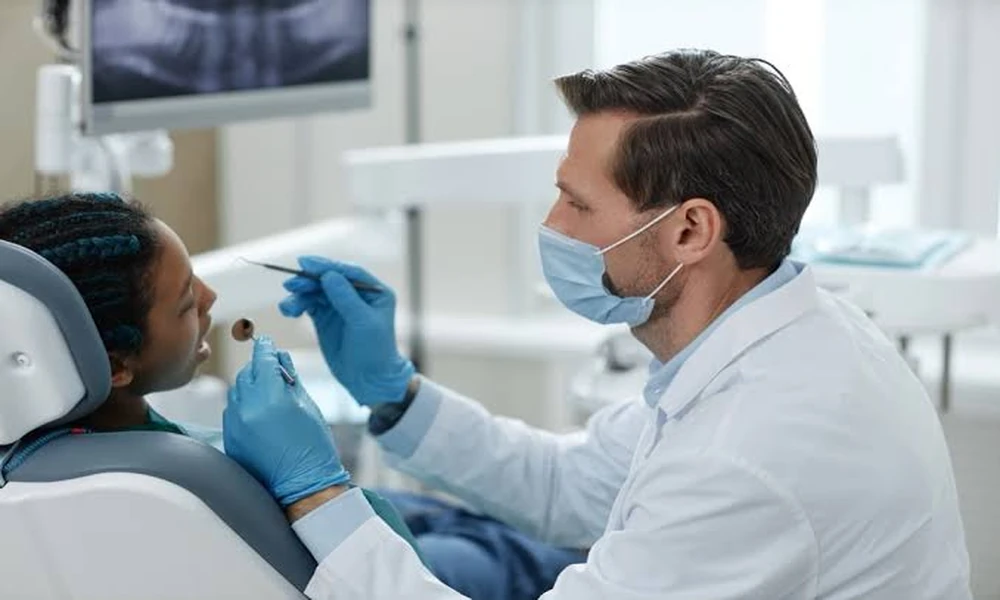
Schedule a pediatric dental and orthodontic exam. Ask directly about airway related signs, jaw development, bite changes, and tongue posture. A good pediatric dentistry exam looks beyond cavities and checks whether the teeth, jaws, and breathing pattern are developing in a healthy way.
Ask for coordinated care if the signs line up. If your child has snoring, chronic congestion, enlarged tonsils, or sleep problems, ask whether a referral to a pediatrician, ENT, allergist, or sleep specialist makes sense. One visit does not need to solve everything. It needs to move you toward answers.
Early attention can change the path
If you have been second guessing what you are seeing, you are not overreacting. Mouth breathing in kids can be easy to miss because the signs scatter across sleep, behavior, and dental development. When a pediatric dentist and orthodontist catches those clues early, families get a clearer picture of what is going on and what to do next.
Trust what you have been noticing, and schedule an evaluation with a pediatric dentist and orthodontist if your child is showing signs of chronic mouth breathing, snoring, or bite changes. Early support can protect sleep, growth, and oral development.