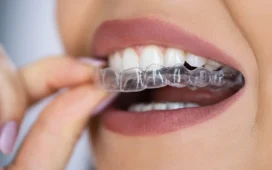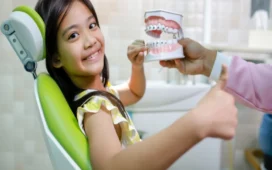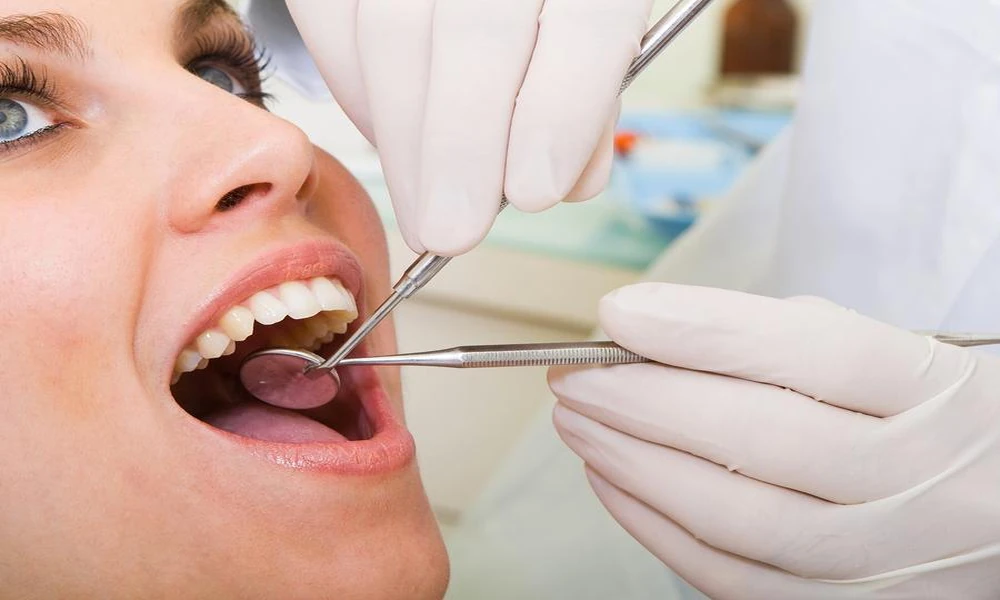

You notice it in small ways first. Cold water stings a little more than it used to. Your child’s teeth are coming in crooked. A parent’s dentures no longer fit right. Gums bleed during brushing, then the week gets busy and it slips down the list again. Oral health changes rarely arrive all at once, but they do add up, and trying to keep track of everyone’s needs in one household can feel like one more thing you are supposed to manage perfectly. A Silver Spring, MD dentist can help make that feel more manageable.
That is where a family dentist helps. You are not just booking cleanings. You are building continuity, which matters when teeth, gums, bite patterns, medications, age, and habits all shift over time. Why Family Dentists Are Key To Managing Oral Health Changes comes down to one simple truth. The same provider can spot patterns early, guide care at every age, and help you avoid bigger problems that cost more and hurt more later.
Family dental care works best when oral health changes over time
Your mouth changes with your life. Kids move from baby teeth to adult teeth. Teens may need help with sports guards, wisdom teeth, or cleaning around braces. Adults deal with stress grinding, gum irritation, and skipped appointments. Older adults often face dry mouth, recession, root decay, and tooth loss. The needs are different, but they are connected, and a family dentist sees that full picture.
That long view matters more than many people realize. A provider who has seen you for years can compare gum measurements, watch a bite shift, notice enamel wear, and ask the right follow up when medications or health conditions change. If you bounce between offices, those details often get lost. You end up repeating your history, explaining old symptoms, and hoping someone catches what changed since last time.
The numbers support the need for steady care. According to the CDC, nearly 1 in 4 adults aged 20 to 64 had untreated dental caries in permanent teeth, based on national data on untreated cavities in adults. Untreated problems do not stay small for long. A spot that could have been watched or filled early can turn into pain, infection, missed work, and a much larger bill.
A family dentist can catch the quiet signs before they become expensive problems
Most dental issues are not dramatic in the beginning. Gum disease may start with swelling or bleeding that seems easy to ignore. Enamel erosion can look like simple sensitivity. A child may breathe through the mouth at night, grind teeth, or struggle to clean around crowded areas. None of this always feels urgent, which is exactly why it gets missed.
A family dentist looks for those quiet signs across different life stages. If your child has deep grooves that trap food, sealants may help. If you clench during stressful weeks, a night guard may prevent cracks and jaw pain. If a grandparent takes medicines that cause dry mouth, that change alone can raise the risk of decay because saliva protects teeth. The point is not to overreact. The point is to respond before a manageable issue becomes a painful one.
There is also the emotional side. People avoid the dentist for reasons that make sense. Fear, cost, embarrassment, a bad past experience, or just plain exhaustion all play a part. Family dental care lowers some of that friction. One office, one record, one team your household knows. Children see dental visits as normal. Adults are more likely to keep up with care when it feels familiar instead of stressful.
Preventive family dentistry supports health beyond your teeth
Your mouth is not separate from the rest of your body. Gum inflammation, untreated infection, trouble chewing, and chronic dry mouth can affect daily comfort, nutrition, sleep, and quality of life. The CDC’s oral health surveillance findings show that oral disease remains common across the United States, which is a reminder that prevention is not cosmetic upkeep. It is basic health care.
That is why managing oral health changes works better with routine, age-aware care instead of waiting for pain. A family dentist can tailor cleanings, home care advice, fluoride use, X rays, and restoration planning to what is happening in your life right now. The approach for a child learning to brush is different from the approach for an adult with recession or an older adult with limited dexterity, and it should be.
Home care and professional family dental care do different jobs
| Situation | Home Care Can Help With | A Family Dentist Can Help With |
|---|---|---|
| Bleeding gums | Better brushing, daily flossing, antimicrobial rinse | Checking for gingivitis or periodontal disease, measuring gum pockets, deep cleaning if needed |
| Tooth sensitivity | Sensitivity toothpaste, avoiding acidic drinks | Finding the cause, such as decay, grinding, recession, or enamel wear |
| Child with crowded teeth | Improving brushing technique in tight spaces | Monitoring development, timing referrals, protecting enamel during growth changes |
| Dry mouth from medication | Hydration, sugar free gum, saliva support products | Watching for root decay, adjusting preventive care, recommending fluoride options |
| Bad breath that keeps returning | Tongue cleaning, better daily hygiene | Checking for gum disease, decay, infection, or appliance issues |
Good home habits matter. The CDC’s oral health tips for adults include brushing with fluoride toothpaste, cleaning between teeth, limiting sugar, and avoiding tobacco. Those steps reduce risk. They do not replace exams, diagnosis, and professional treatment when something is already changing below the surface.
Small steps make family dental care easier to manage
Track changes instead of waiting for pain. Write down sensitivity, bleeding, jaw soreness, dry mouth, or changes in chewing. If a child is avoiding one side of the mouth or an older adult is struggling with a denture, note that too. Patterns are easier to treat when they are clear.
Group appointments when possible. Families stay more consistent when visits are built into the calendar instead of treated like separate emergencies. One coordinated system reduces missed cleanings and helps keep preventive care from turning into urgent care.
Ask for age specific guidance. The right advice for a six year old, a busy parent, and an older adult should not sound the same. Ask what matters most right now, what can wait, and what warning signs mean you should come in sooner.
Oral health changes are part of life. They do not mean you failed, and they do not have to throw your whole household off balance. A trusted family dentist gives you continuity, early warning, and practical care that fits real life. If changes in your teeth, gums, or bite have started to pile up, schedule a visit and get ahead of them before they become harder to fix.