You may be staring at your teeth in photos, noticing crowding, spaces, or a bite that never felt quite right, and wondering whether clear trays can really fix it. That question usually comes with a second one right behind it, which is whether you are choosing something too simple for a problem that feels bigger. That concern makes sense. Straightening teeth is not only about looks. It affects comfort, cleaning, wear on enamel, and how your bite works day after day. If you also need urgent help for broken or damaged teeth in Buckhead, it is worth addressing those issues alongside any plans to improve alignment.
Clear aligners can be a strong option, but they are one tool inside broader orthodontic treatment. They are not magic, and they are not for every case. Used with proper diagnosis, planning, and follow up, they can move teeth with precision and support both function and appearance. Used without that level of care, they can miss bite issues, gum concerns, or tooth movement limits that matter more than most people realize.
Clear aligners work best when they are part of full orthodontic planning
People often hear about aligners as if they are a product you buy, wear, and finish. Real tooth movement does not work that way. Teeth sit in bone, connect to gums, and meet other teeth in patterns that can help or harm your long term oral health. A small gap may be simple. A deep bite, crossbite, severe crowding, or jaw imbalance is different.
That is where clear aligner treatment fits into a larger plan. A dentist or orthodontic provider does not just look at whether your teeth seem crooked. They check how your bite closes, whether your gums are healthy enough for movement, whether attachments or enamel shaping may be needed, and whether aligners alone can do the job safely. In some cases, they can. In others, treatment may need braces, restorative work, or staged care.
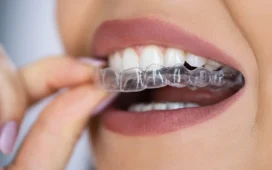
The appeal is easy to understand. Aligners are removable, less visible, and often easier to clean around than brackets and wires. The American Association of Orthodontists explains that clear aligners can treat many orthodontic problems, but they still require professional oversight because tooth movement is biological, not just cosmetic.
If you have ever thought, “My teeth do not look that bad, so I probably do not need much,” that can be true, but it can also hide the real issue. Mild crowding on the front teeth may be tied to a bite pattern that keeps pushing them out of place. Straightening the visible part without correcting the cause can leave you frustrated when teeth shift again.
Orthodontic care goes beyond straight front teeth
A lot of people start with appearance and end up learning that function matters just as much. Teeth that overlap are harder to floss. Teeth that hit unevenly can chip, wear down, or put stress on certain areas. A bite that feels “off” can make chewing less comfortable and may lead to clenching in some patients.
This is why aligners in orthodontic care should be viewed as part of a bigger clinical picture. The goal is not only a straighter smile. The goal is a bite that works better, teeth that are easier to maintain, and a result that holds up over time with retainers and follow up.
Research continues to support a measured approach. A review published in the National Library of Medicine found that clear aligners can be effective for many types of tooth movement, though outcomes depend heavily on case selection, planning, and patient compliance. That last part matters. If aligners are not worn as directed, progress slows and results suffer.
Clear aligners and braces solve different problems in different ways
| Factor | Clear Aligners | Traditional Braces |
|---|---|---|
| Appearance | Less visible during daily wear | More noticeable |
| Removal | Removable for meals and brushing | Fixed in place |
| Best for compliance | Patients who will wear them 20 to 22 hours a day | Patients who may struggle with removable appliances |
| Complex movements | Can handle many cases, but some movements are less predictable | Often better for severe rotation, large bite correction, and complex control |
| Oral hygiene | Easier to brush and floss if worn properly | Cleaning takes more effort around brackets and wires |
| Comfort | No metal brackets, but pressure and tray edges can still cause soreness | Can cause wire and bracket irritation along with adjustment soreness |
This is where a general and cosmetic dentist often helps people sort through what they actually need. You may come in asking for the least visible option and leave understanding that your bite, gum health, fillings, or worn teeth also need attention. That is not a sales pitch. It is the difference between buying a look and getting care that respects how your mouth functions.
Orthodontic treatment with clear aligners can also be part of cosmetic planning. If you are thinking about bonding, veneers, or whitening, aligning teeth first may allow for more conservative cosmetic work later. Moving teeth into better positions can reduce the need to remove healthy structure just to create a balanced appearance.
Three practical steps can help you make a sound decision
1. Get a full exam, not just a scan.
A digital scan is useful, but it is not enough by itself. Ask for an evaluation of your bite, gum health, jaw function, existing dental work, and retention needs after treatment. If the plan skips those basics, you are not getting the full picture.
2. Ask what aligners can and cannot fix in your case.
A good plan is specific. Ask whether attachments, enamel shaping, refinements, or retainers are expected. Ask what would make braces a better option. Clear answers now prevent disappointment later.
3. Think past the last tray.
Teeth move for life. Retainers are part of the result, not an add on. Ask how often you will need to wear them, how follow up will work, and what happens if teeth begin to relapse. The finish line is stability, not just tray number twenty.
Thoughtful orthodontic care supports both health and appearance
If you have been weighing appearance, cost, comfort, and long term results all at once, you are not overthinking it. Those factors belong in the same conversation. Clear aligners can be an excellent option when they are chosen for the right reasons and monitored with care. They fit best inside a treatment plan that looks at your bite, your habits, and the health of the whole mouth, not just the front teeth in the mirror.
If you are considering clear aligners, schedule a visit with a general and cosmetic dentist to find out whether they fit your needs and what kind of orthodontic care will give you a result that lasts.