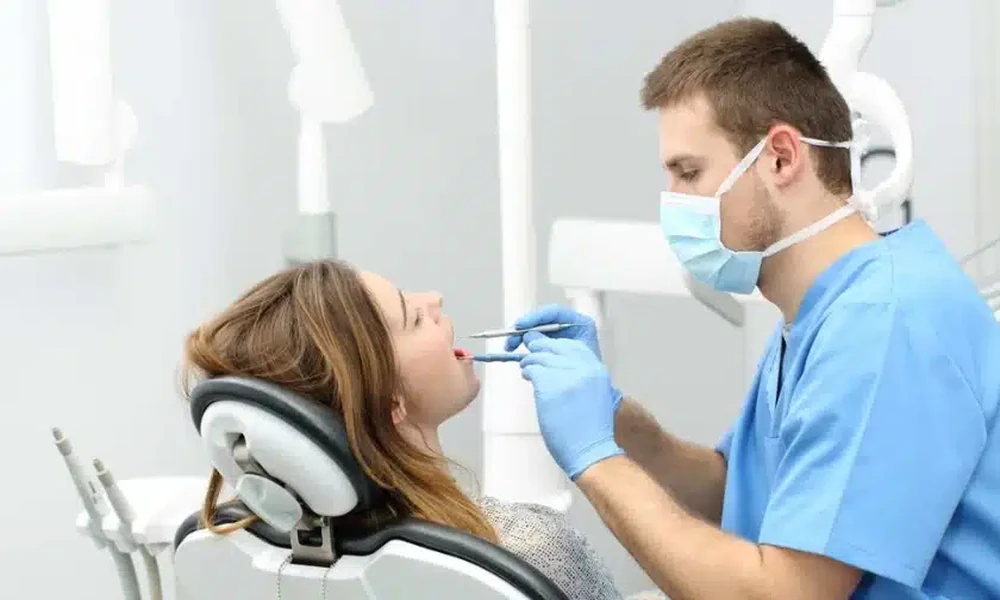

If you manage appointments, insurance cards, school forms, and medication lists for more than one person, dental records can turn into a quiet mess. Staying organized is easier when you have a trusted dentist in Norfolk, MA. One child needs a cleaning, another has an orthodontic check, your spouse switched insurance plans, and someone cannot remember the last X ray. It does not take much for things to slip through the cracks. Missed visits, duplicate paperwork, and surprise bills usually follow.
The good news is that organizing dental information for a family does not need a fancy system. You need one place for records, one routine for updates, and a simple way to track what matters most. When you set that up, keeping up with a family dentist becomes much easier, and so does protecting everyone’s oral health.
Scattered dental records create stress you can prevent
Most families do not struggle because they are careless. They struggle because information lives in too many places. One reminder is buried in a text message, an insurance explanation of benefits is sitting in a kitchen drawer, and the after visit summary is folded inside a backpack. When the dental office asks for a policy number or the date of a past procedure, you are left searching while the clock runs.
This gets more expensive than people expect. A missed preventive visit can turn into a filling later. A delayed follow up after tooth pain can mean a bigger treatment plan. Reliable dental prevention habits matter at every age, and the CDC offers helpful oral health tips for adults that support regular care between visits.
Children and older adults often need extra coordination. One family member may need sealants, another may need denture care, and another may be tracking dry mouth caused by medication. The National Institute on Aging shares practical guidance on taking care of your teeth and mouth, which is useful when you are organizing care across generations.
Family dental organization works best when each person has the same record categories
The simplest fix is consistency. Give every family member the same set of information fields, even if some sections stay blank for now. That means full name, date of birth, dentist contact details, insurance details, allergies, current medications, last cleaning date, upcoming appointments, treatment history, and billing notes.
This is where organizing dental records for families starts to feel manageable. Instead of reinventing the wheel for each person, you create one repeatable format. If your child chips a tooth during a weekend game, you already know where to find the dentist’s number and insurance information. If a grandparent needs a medication list before treatment, it is ready.
General oral health guidance from MedlinePlus dental health resources can also help you track the bigger picture, especially if you are trying to understand conditions, treatment terms, or common symptoms across family members.
Six practical ways to organize dental information for multiple family members
1. Create one master folder with one section per person. Use a binder, a digital folder, or both. Label each section with the person’s name. Keep insurance cards, treatment plans, receipts, and visit summaries together.
2. Use a one page dental snapshot for each family member. This should list allergies, medications, dentist name, last visit date, next visit date, and any active treatment. A quick summary saves time when the office calls or a form needs to be filled out.
3. Track appointments on one shared calendar. Color code each person. Add reminders one month before, one week before, and the day before. This works well for cleanings that happen every six months and for follow ups that are easy to forget.
4. Store billing and insurance records separately from clinical notes. Treatment details and payment details should not be mixed into one stack. Keep claims, invoices, and explanations of benefits in their own section so you can check balances and coverage without digging through medical notes.
5. Save digital copies of everything. Take clear photos or scan forms after each visit. If a paper gets lost or a child spills juice on it, you still have the record. Name files in a way that makes sense, such as “Emma Cleaning March 2026” or “Dad Crown Estimate April 2026.”
6. Review the system once a month. A five minute check is usually enough. Update completed visits, add new treatment notes, and remove outdated insurance cards. A system only works if it stays current.
Simple tools beat complicated systems for dental care management
| Method | Best For | Main Benefit | Common Drawback |
|---|---|---|---|
| Paper binder | Families who prefer printed records | Easy to flip through during calls or appointments | Can be lost or damaged |
| Phone notes and photos | Busy parents who need fast access | Always nearby and quick to update | Files become messy without naming rules |
| Cloud folder | Households sharing care duties | Multiple adults can access the same records | Needs passwords and basic privacy habits |
| Spreadsheet tracker | Families managing many appointments | Clear view of visits, costs, and follow ups | Less useful for storing forms and images |
The best system is the one you will keep using. A perfect setup that takes too much effort usually falls apart by the second month. A simple folder and calendar often do more than an elaborate app no one opens.
Three steps you can take today to keep family dental information organized
Gather every dental document in one place. Pull records from drawers, email inboxes, backpacks, and glove compartments. Do not sort while you collect. Just get everything into one stack or one digital folder first.
Build one standard profile for each person. Use the same categories for everyone. This turns scattered information into a system and makes dental information management for families far easier to maintain.
Set recurring reminders before you need them. Add six month cleaning reminders, insurance renewal dates, and follow up appointments to a shared calendar now. Future you will not have to rely on memory.
Small systems make family dental care feel lighter
You do not need to feel on top of everything every day. You need a system that holds the details for you. Once each family member’s records, appointments, and billing notes are easy to find, routine care feels less rushed and fewer things get missed. That is a real win for your budget, your time, and your peace of mind.
If your household is due for regular care, schedule a visit with a family dentist and bring your new system with you. It makes every appointment smoother from the start.