
You brush, you remind your kids to brush, you try to keep up with appointments, and still it can feel like teeth always need something. A small spot turns into a cavity. Bleeding gums show up out of nowhere. One child has crowding, another hates flossing, and an adult in the house keeps putting off care because nothing hurts yet. That is how oral health problems build, which is why seeing a dentist in Madison, GA matters. Quietly, then all at once.
Why Preventive Family Dentistry Strengthens Oral Health For Life comes down to one simple truth. Small, steady care prevents bigger damage. A family dentist does more than clean teeth. They track changes over time, catch trouble early, and help every age group build habits that last. That means fewer emergencies, lower treatment costs, and a better chance of keeping natural teeth healthy for decades.
Preventive family dental care stops small problems from becoming expensive ones
Most dental problems do not begin with pain. Cavities can start without obvious signs. Gum disease often begins with mild bleeding that people ignore. In children, weak brushing habits and frequent sugary snacks can lead to decay before parents realize there is a problem. The stress comes from how easy it is to miss these early warnings when daily life is already full.
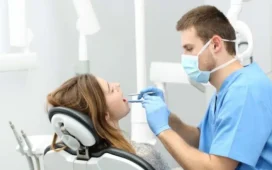
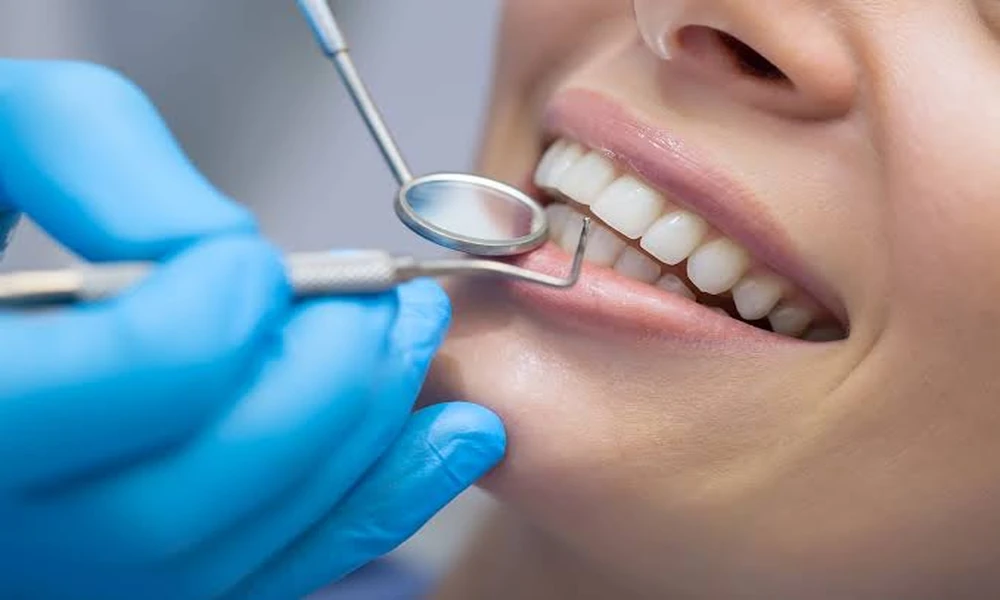
That is where preventive family dental care changes the pattern. Regular exams and cleanings give your dentist a chance to find early decay, plaque buildup, enamel wear, bite changes, and gum inflammation before treatment becomes more involved. Preventive visits also create a record over time. A dentist who sees your family regularly can notice when a child’s teeth are not coming in as expected, when a teen’s gums are reacting to braces, or when an adult is starting to grind teeth at night.
The financial side matters too. A cleaning and exam usually cost far less than fillings, crowns, root canals, or extractions. Time matters just as much. It is easier to make room for a routine visit than to scramble through a dental emergency during school, work, or travel.
Family dentistry supports children, teens, adults, and older adults differently
Oral health needs change with age, and a family dentist sees that whole picture. Young children need help with brushing technique, fluoride guidance, and cavity prevention. The CDC shares practical oral health tips for children that reinforce how early habits shape long term outcomes.
School age children and teens often need monitoring for sealants, orthodontic issues, sports related risks, and diet habits that affect enamel. The U.S. Preventive Services Task Force also outlines evidence on screening and preventive interventions for children and adolescents, which supports early attention instead of waiting for visible damage.
Adults may deal with gum disease, stress grinding, dry mouth from medication, or years of delayed care. Older adults often face recession, worn dental work, and a higher risk of root decay. A dentist who treats the whole family can connect these patterns to real life, not just a chart. They know who needs extra fluoride, who needs closer gum monitoring, and who needs simple coaching that fits their routine.
Prevention works best when home care and professional care support each other
Home care is the base. Professional care adds the detail most people cannot manage on their own. Brushing twice a day and cleaning between teeth lowers plaque, but it does not replace exams, cleanings, and early treatment. The National Institute of Dental and Craniofacial Research offers clear guidance on oral hygiene, and that guidance works best when it is paired with regular dental visits.
Think about the common pattern. A parent notices a child rushing through brushing. An adult in the same home skips flossing for weeks because work gets busy. Nobody feels pain, so it seems fine. Months later, the child has a cavity and the adult has gum inflammation. The issue was not one bad week. It was a string of small misses that added up. Prevention interrupts that cycle.
| Approach | What It Looks Like | Likely Outcome Over Time |
|---|---|---|
| Home care only | Brushing most days, inconsistent flossing, no regular checkups | Higher chance of missed decay, tartar buildup, gum problems, surprise treatment needs |
| Routine preventive care | Daily brushing and flossing, regular exams, cleanings, fluoride or sealants when needed | Earlier detection, lower risk of advanced disease, more stable long term oral health |
| Problem based care | Dental visits only when pain or damage appears | More invasive treatment, higher costs, more time lost to urgent visits |
Preventive family oral health habits are easier to keep when everyone follows the same plan
Consistency is one of the biggest benefits of family centered prevention. When one practice sees parents and children together, advice is easier to apply at home. The message stays clear. Brush with fluoride toothpaste. Clean between teeth daily. Watch sugar frequency, not just sugar amount. Keep recall visits on schedule. Replace confusion with routine.
This also lowers anxiety. Children often feel calmer when dental care is familiar and expected, not something connected only to pain. Adults benefit too. Many people put off care because they are embarrassed about how long it has been. A prevention focused office shifts the conversation away from blame and toward what can be done next.
Three steps you can take now to protect lifelong oral health
1. Set one shared routine at home. Pick brushing times that happen every day without debate, usually after breakfast and before bed. Keep floss picks or floss where people will actually use them. If your child struggles, brush together for a week instead of repeating reminders from across the room.
2. Schedule preventive visits before there is a problem. Do not wait for pain, swelling, or a broken tooth. Preventive appointments are where dentists catch the changes you cannot see at home. If someone in your family has not been seen in a while, start there without guilt.
3. Ask for age specific guidance. A five year old, a teenager with braces, and an adult with dry mouth do not need the same plan. Ask what matters most right now for each family member. That makes care feel manageable instead of overwhelming.
Lifelong oral health usually is not built through dramatic changes. It grows from steady habits, early attention, and a dental relationship that follows your family through each stage of life. Why Preventive Family Dentistry Strengthens Oral Health For Life is not a slogan. It is the practical path that helps you avoid bigger problems and keep care simpler, calmer, and more affordable. If it has been a while since your last checkup, schedule a preventive visit with a family dentist and start with the next small step.