
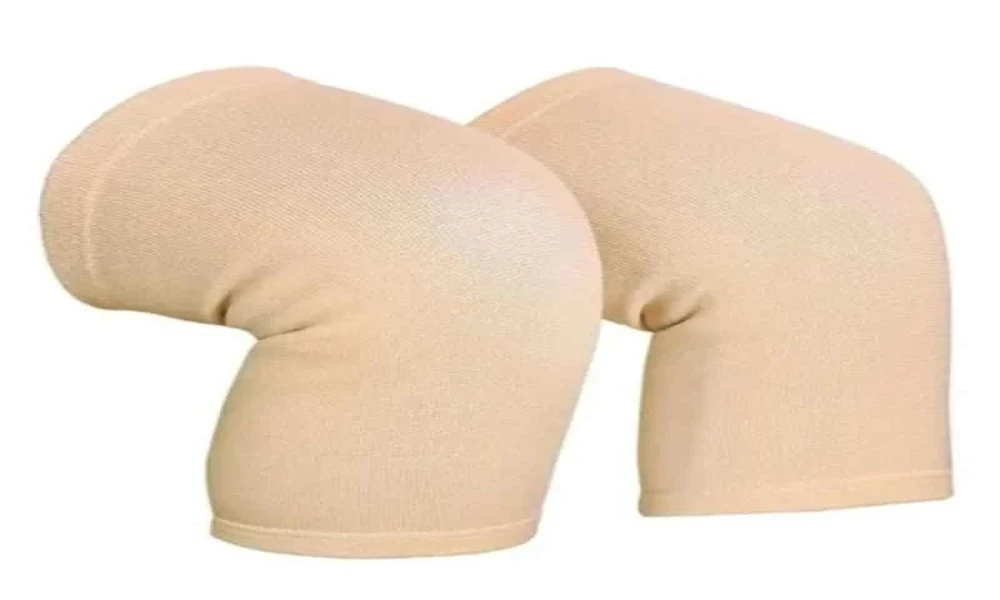


While performing a repetitive overloading workout session, you might have experienced some discomfort in your knees. Many people think it to be a way of pushing through the pain. But, the dull arching pain in the knees is becoming one of the most prevalent issues in gym goers. Since, knees absorb a lot of stress while heavy lifting, they might need a little external support.
To improve their performance they turn towards the most affordable supportive aid, knee caps. It is one of the simplest ways of protecting your joints. But, not every knee cap is built for gym and workouts.
This guide will make you understand why workouts affect your knees and further help you sort out the best knee cap for pain relief for your gym workouts according to your training style.
Why Do Gym Goers Need Extra Protection?
Gym lovers can wear a knee cap for pain relief. Knee sleeves provide mild warmth and light stability during lifts. Some key reasons includes:
Pain Relief
They help to ease stress and swelling from any injury, early arthritis or tendonitis.
Joint Stability
They keep the kneecap aligned and support ligaments during heavy workouts.
Warmth and Blood Flow
Compression material traps body heat, increasing blood flow to the joint so the tissue stays loose and moves smoothly.
Mental Awareness
The snug fit gives extra physical feedback, letting you lift heavier or squat deeper with peace of mind.
4 Features That Makes A Knee Cap Good For Gym
A knee cap or sleeve for the gym provides a mechanical and physical advantage through joint compression, heat retention and improved patellar tracking. Gym knee caps offer structural support without reducing your range of motion.
1. The Rebound Effect (Elastic Recoil)
The thick material of the knee cap compresses and relaxes according to the movement. This provides a minor rebound or spring action assistance helping you safely explode out of the lowest part of a squat during heavy lifts.
2. Anatomical Alignment and Patellar Tracking
Many gym knee caps are anatomically molded to cups around the kneecap. This design
- Disperses heavy pressure evenly across the entire joint rather than overloading one spot.
- Prevents the kneecap from shifting or tracking incorrectly sideways during heavy loading.
3. Lateral Stability
Heavy lifting overloads muscles to stabilize. The snug uniform pressure of a gym sleeve reduces wobbling or lateral deviations. This added tightness enhances your brain’s ability. It helps to feel the exact position of your joint which automatically corrects your lifting form and reinforces better muscle memory.
4. Accelerated Lubrication
Gyms are often heavily conditioned which can cause joints to feel stiff. Neoprene knee caps trap localized body heat. This warmth increases the production of synovial fluid, protecting the soft tissues from friction induced strain.
Top Types Of Knee Caps For Gym
1. Knee Sleeves (Most Popular)
These are pull on, tube shaped sleeves made of flexible material. They offer a balance of support, warmth and freedom of movement.
- 3mm to 5mm Neoprene/Knit
They are thin, highly breathable and allow you to run or jump easily while providing mild compression.
- 7mm Neoprene
Best for heavy squats and powerlifting
They are thick and stiff, providing maximum joint warmth and a strong rebound effect at the bottom of a squat.
2. Knee Wraps (For Maximum Weight)
These are long and thick elastic bands that you manually wrap tightly around your knees before a lift and take off immediately after.
- Best For
Powerlifters and elite strength athletes lifting near their maximum weight limit.
- How They Work
They provide extreme compression and a massive mechanical spring action, allowing you to squat significantly more weight. However, they alter lifting mechanics and restrict blood flow if left on too long.
3. Knee Straps / Patella Bands
These are thin single bands that wrap tightly just below your kneecap, applying targeted pressure to the patellar tendon.
- Best For
Gym goers dealing with Patellar Tendonitis.
- How They Work
They don’t support the whole joint, but they only reduce stress on the specific tendon.
4. Open-Patella / Braced Sleeves
These are standard sleeves but feature a circular cutout over the kneecap, often reinforced with padded rings or flexible plastic side stabilizers.
- Best For
Lifters returning from a past injury who need extra tracking support.
- How They Work
The cutout relieves direct pressure on the kneecap itself while the surrounding padding prevents it from sliding out of alignment.
Comparison At A Glance
| TYPE | SUPPORT | MOBILITY | SUITED FOR |
|---|---|---|---|
| Knee Sleeves | Moderate | High |
|
| Knee Wraps | Extreme | Very Low |
|
| Knee Strap | Targeted (Tendon) |
High |
|
| Knee Brace | Maximum (Rigid) |
Low |
(ACL/MCL) |
Tips For Using A Knee Cap In Gym
- Fold the sleeve inside out and upside down from the bottom up, pull it up over your calf and then unroll it up over your knee.
- Ensure your kneecap sits right in the middle of the sleeve’s anatomical curve.
- If you are using heavy-grade sleeves or knee wraps, slide them down to your calves between heavy working sets to let your blood circulate freely.
- Put them on only for your heavy compound lower body lifts. Take them off during days or abdominal work.
- Do light mobility work and warmup sets without the sleeves.
- Never leave sweaty knee caps. Always air dry them completely.
- Hand wash them using cold water and a mild detergent then flat dry them.
ConclusionThe best knee cap for gym lovers completely depends on the intensity of training. Normal lifters can use a solid neoprene sleeve whereas heavy powerlifters can use thick 7mm knee wraps. Whatever you choose, treat it as a preventive strategy balanced with proper warmups, good form and strength. The knee caps can provide a temporary support but the combined habits will lead to long term benefits for the knees.